
What to Wear Ziplining So You Stay Comfortable and Safe Outside
Dressing for ziplining is simpler than you might think once you know a few basics. The right outfit keeps you comfortable under a harness, protects you from straps and snags, and lets you focus on the views instead of fidgeting with your clothes.
This guide walks you through every choice, from the best shoes to the smartest tops, bottoms, and accessories. Whether it is your first time or your fifth, a quick read here sets you up for a smooth, comfortable day on the course.
Why Your Outfit Matters for Ziplining
Ziplining is an active outdoor activity that involves wearing a harness, climbing onto platforms, and walking between lines. Your clothing sits between your body and the gear all day, so thoughtful choices make a real difference. The right outfit keeps you focused on the fun, not the friction. Comfort and freedom of movement matter on every zipline course.
Poorly chosen clothing leads to chafing where straps rest, snags on aerial obstacles, and overheating in the Texas sun. None of that has to happen. A little planning prevents the common discomforts and helps every member of your group enjoy the experience from start to finish.
What to Wear Ziplining
Here is the head-to-toe breakdown of what to wear for comfort and safety on the course. We will move from footwear up through bottoms, tops, weather layers, and accessories, so you can put together a complete outfit without guesswork before you arrive.
Best Shoes for Ziplining
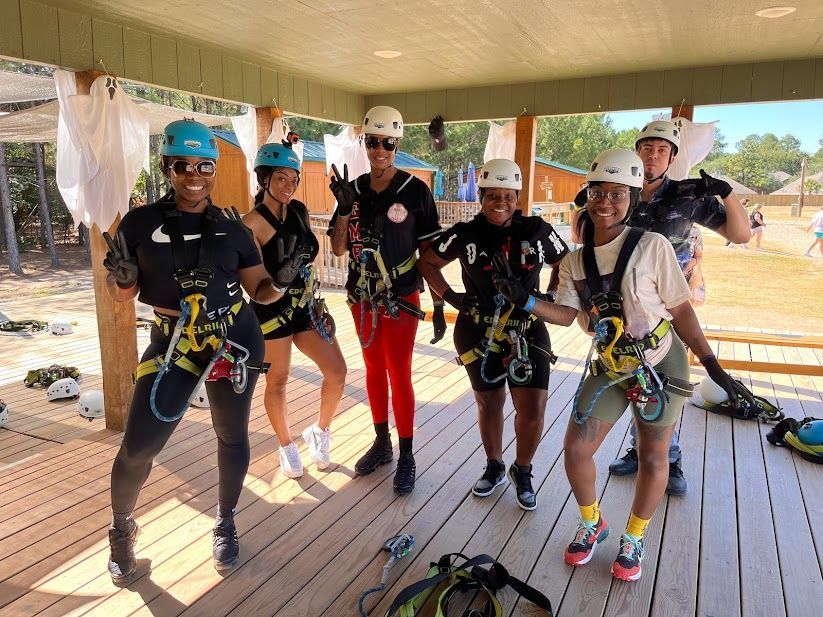
Closed-toe shoes are the single most important choice you will make, since you climb onto and land on raised platforms throughout the course. Secure sneakers or athletic shoes, tied tightly, give you the grip and protection you need to move confidently between lines.
Avoid anything that can slip off mid-course, as loose footwear is both uncomfortable and unsafe. If guests arrive in sandals or other unsuitable shoes, rental shoes are available on site, so no one has to miss out on the adventure over a footwear mix-up.
Choosing the Right Bottoms
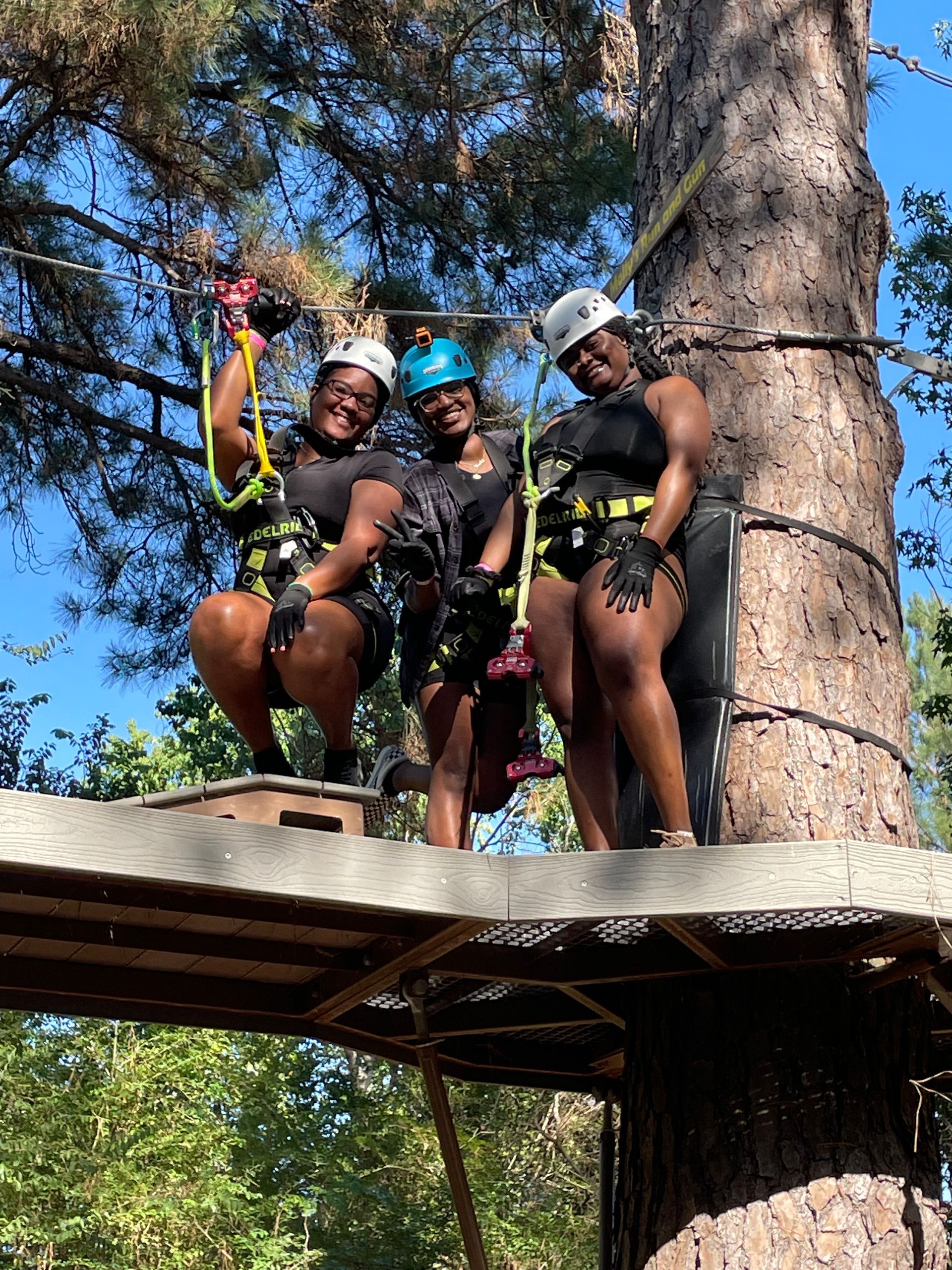
The harness leg loops carry much of your weight, so longer bottoms create a comfortable barrier between your skin and the straps. Long pants, capris, leggings, or knee-length shorts all work well, giving you coverage exactly where the harness sits against your legs.
Short shorts tend to ride up under a harness, leaving straps pressing directly on bare skin. That quickly becomes uncomfortable on a full course. Choosing slightly longer, flexible bottoms is an easy win that keeps you focused on the views rather than adjusting your clothing.
Tops and Layering for Comfort
Fitted, flexible tops similar to workout or hiking wear are ideal, since they give you full range of motion as you reach, climb, and zip. Breathable fabrics help reduce sweating in warm weather, keeping you cooler and more comfortable across the whole experience.
Tops that cover your shoulders add comfort where the harness straps cross your body. A snug fit also prevents loose fabric from bunching or catching on gear. Think practical and active rather than fashion-forward, and you will move freely all day long.
Dressing for the Weather
Outdoor temperatures shift throughout the day, so removable layers are genuinely helpful. Mornings can feel cool before the afternoon warms up, and a light jacket or sweater usually fits comfortably under a harness. Knowing what to expect helps you pack the right layers, so check the details on what to expect before you arrive.
Sunscreen is a smart addition any time you are outdoors for hours, even on cloudy days. A packable rain jacket is also worth bringing in case conditions change. Planning for shifting weather means a passing cloud or warm spell never cuts your adventure short.
Hair, Jewelry, and Accessories
Tie long hair back securely so it does not catch in harness straps or get in your face mid-zip. A ponytail or braid works well. Remove dangling earrings, necklaces, and bracelets too, since loose jewelry can snag on gear or get lost along the course.
Phones, keys, and other valuables should be stored securely rather than carried on the line, as loose items are not allowed while you zip. Plan to leave them in a secure spot so you can keep both hands free and focus fully on the experience.
Gloves and Gear to Bring
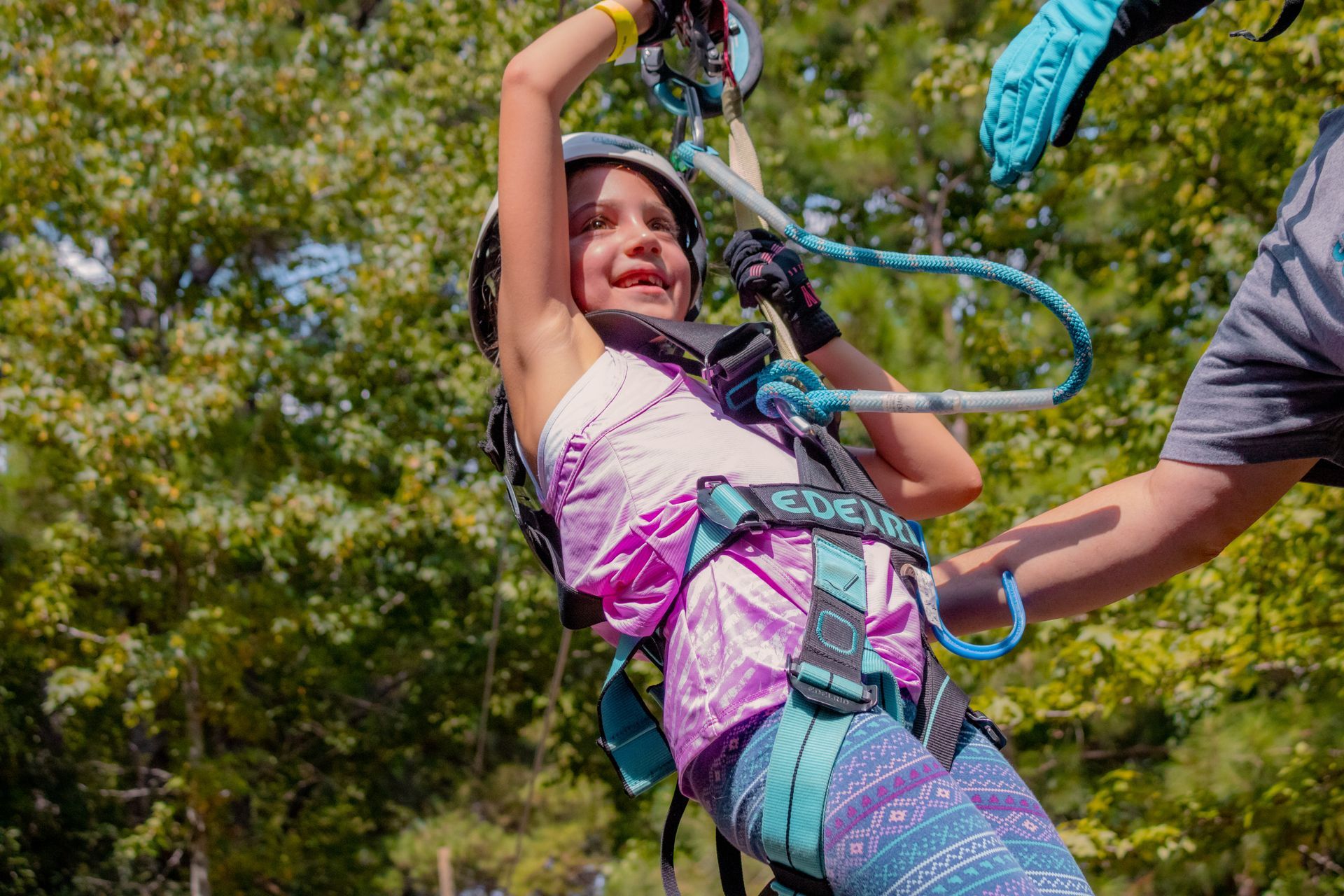
Full-fingered gloves are needed for braking and protecting your hands as you ride the lines. You are welcome to bring your own from home, or you can buy a pair on site if you would rather travel light. Either way, planning ahead helps check-in go smoothly, so review the details when you
plan your visit.
What to Avoid Wearing
To keep things simple, here is the quick no-list that pulls together the points above. Treat these as easy wins for a more comfortable day rather than strict rules, and you will breeze through check-in ready for the course.
- Open-toe shoes, sandals, and Crocs, since platforms require secure closed-toe footwear
- Baggy or loose clothing that can bunch under the harness or snag on gear
- Dresses and skirts, which do not work with harness leg loops
- Dangling jewelry and any loose accessories that could catch or get lost
Ready to Gear Up and Go?
Dressing right really is the easiest way to enjoy ziplining to the fullest. Closed-toe shoes, longer bottoms, a flexible top, and a few smart accessories are all it takes to stay comfortable and safe while you soar through the treetops.
Now that you know what to wear, the rest is simply showing up ready for fun. Plan your visit, gather your group, and get set for a memorable day outdoors. If you have any questions about gear or what to expect, reach out through the
contact page anytime.